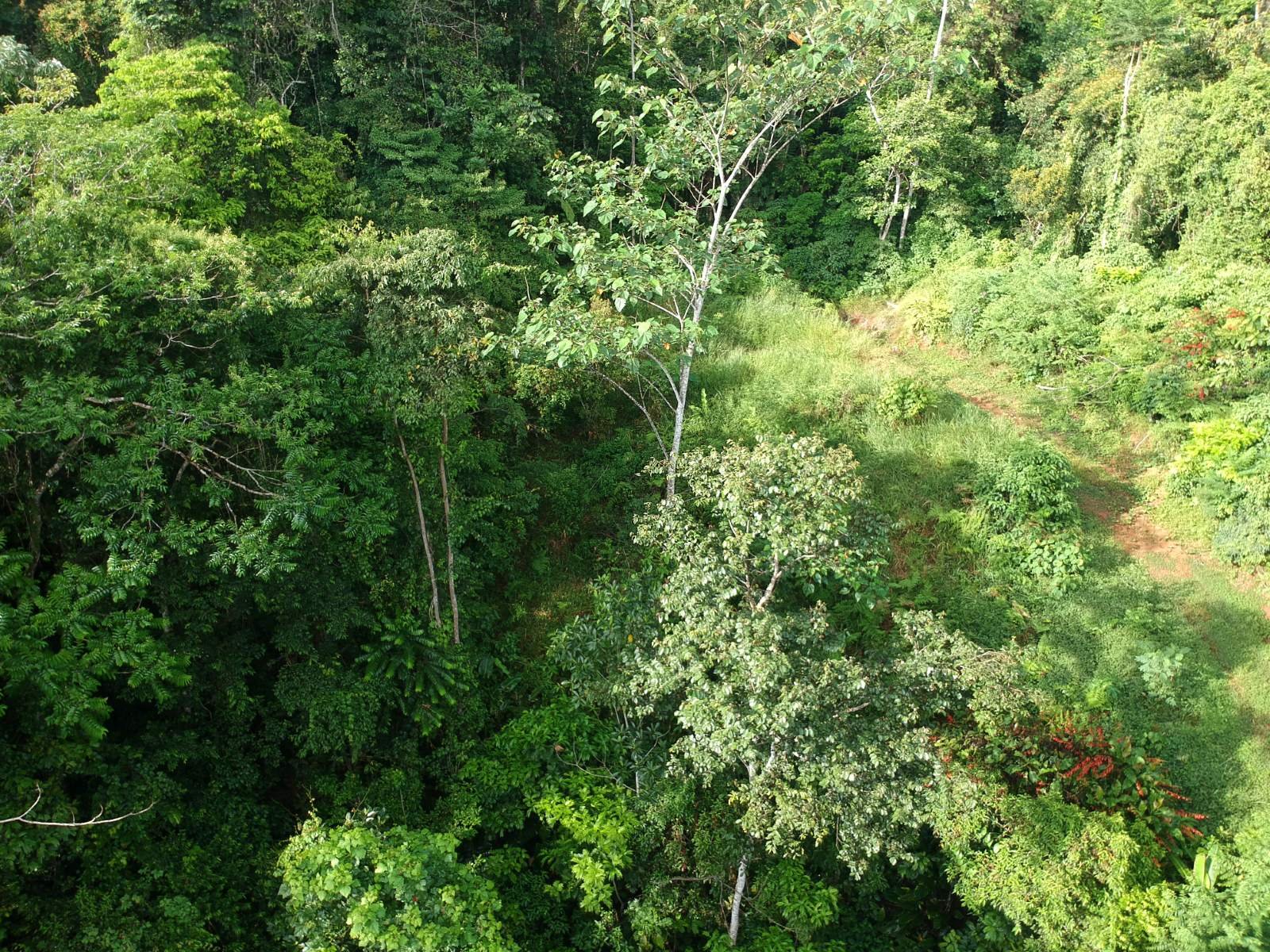
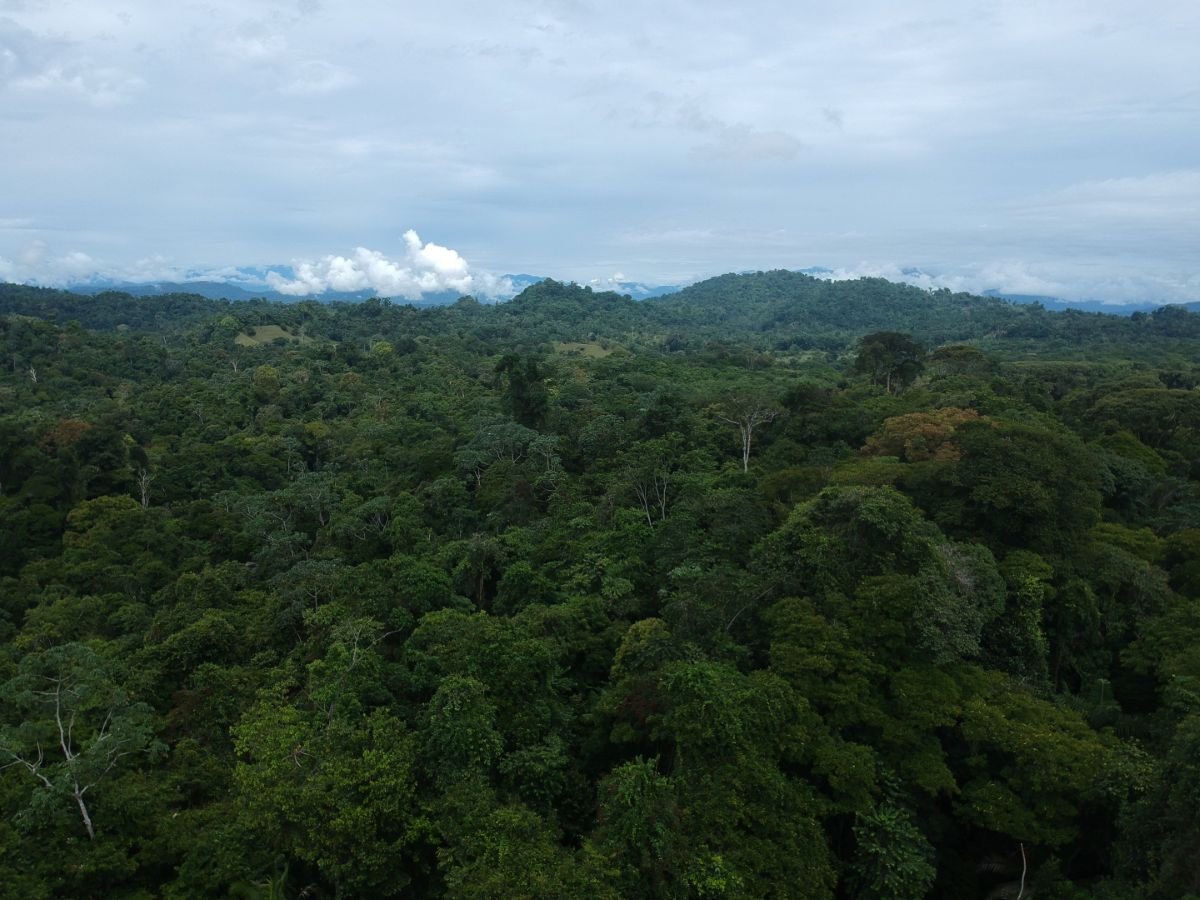
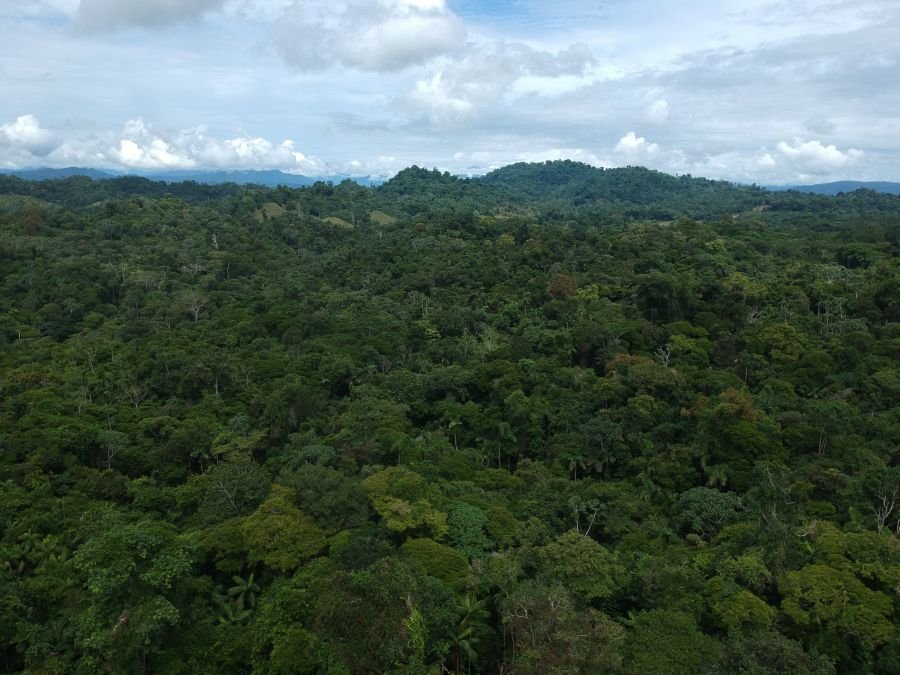
Drone view looking down on the dense green canopy of Solarpunk Forest.

Who is Solarpunk Forest?

The first forest in the world to own a digital identity: 35 hectares of wet tropical rainforest on the southern Caribbean side of Costa Rica, and the pilot of the Solarpunk Forest concept.

Let me introduce myself

Let me introduce myself… my name is Solarpunk Forest… and this is me.

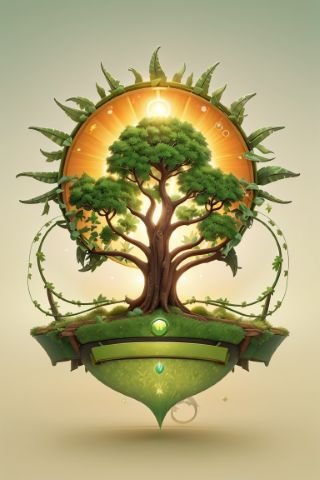
I have been granted a unique digital identity in the form of a non-fungible token (NFT). This NFT serves as my distinct identifier, ensuring you can accurately recognise and engage with me as a living, breathing entity of the forest.

My identity stays with my owner. What I offer on the global market are my indispensable ecological services, measured every year and minted as tokens on my NFT. This recognises and quantifies my contributions, allowing me to participate as a valued economic entity.

Today my identity is a working prototype on a blockchain test network. It is being redesigned, and a permanent link to view it will be added here once it is live.

The forest's NFT artwork: a tree emblem under a rising sun.

Digital identity

Solarpunk Forest

Project 01 of Solarpunk Enterprises

Location
Talamanca, southern Caribbean coast of Costa Rica
Area
35 hectares
Ecosystem
Wet tropical secondary rainforest
Regrowing since
1990, naturally, on former pasture
Identity
NFT, token ID 1
Initiative started
July 2023
Held by
The forest's owner. Service tokens are minted on it.
Contract address
0xb3398A04A02595a336739BF6d780784dD8184D82

A forest that grew back

Before 1990 this land was pasture with a few scattered trees. When farming stopped, the forest returned on its own.

Pioneer species such as Cecropia and Inga colonised the abandoned fields first, preparing the soil for the trees that followed. Three decades of natural regeneration produced the secondary rainforest that stands here today. Because it is still young and growing, it adds carbon quickly every year, which is exactly what our Stored Carbon Increment methodology measures.

Since 2021 the forest has been protected and studied, letting it regrow undisturbed.

Regenerating forest
About 35 hectares of secondary forest
Research plot
1 permanent hectare where every tree is identified and measured
First measured increment
More than 30 tonnes of CO2 per hectare per year (research plot, 2023 measurements, preliminary)
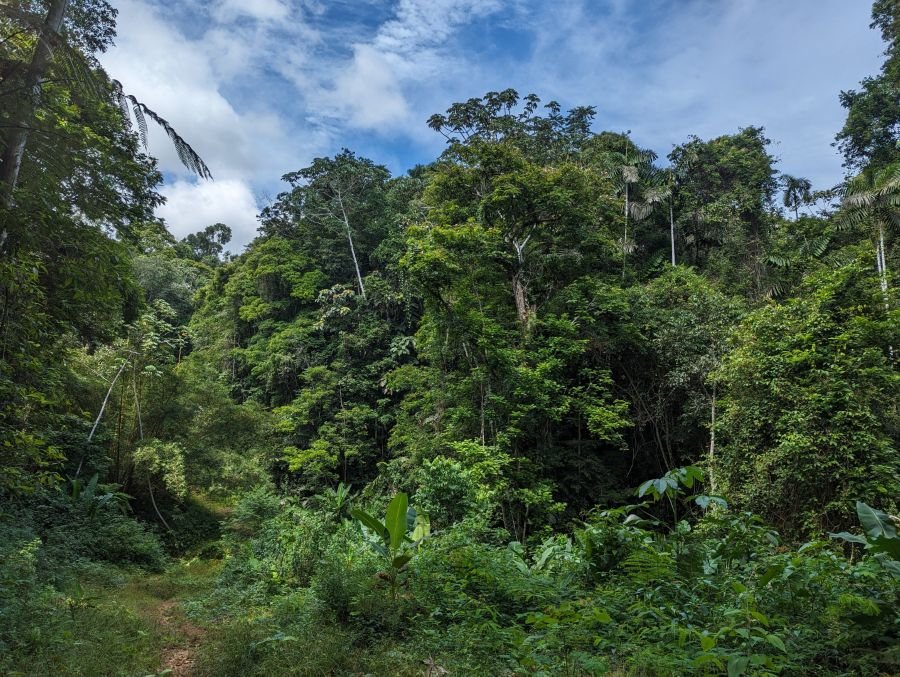
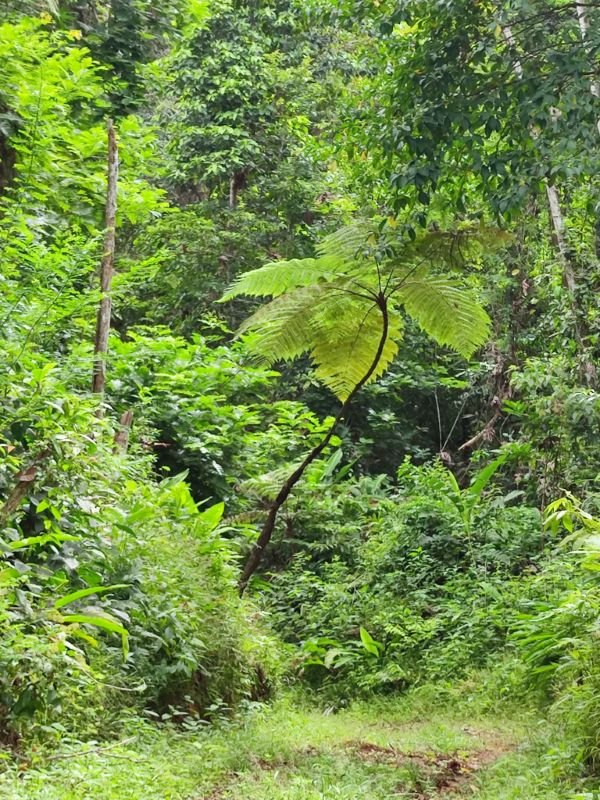
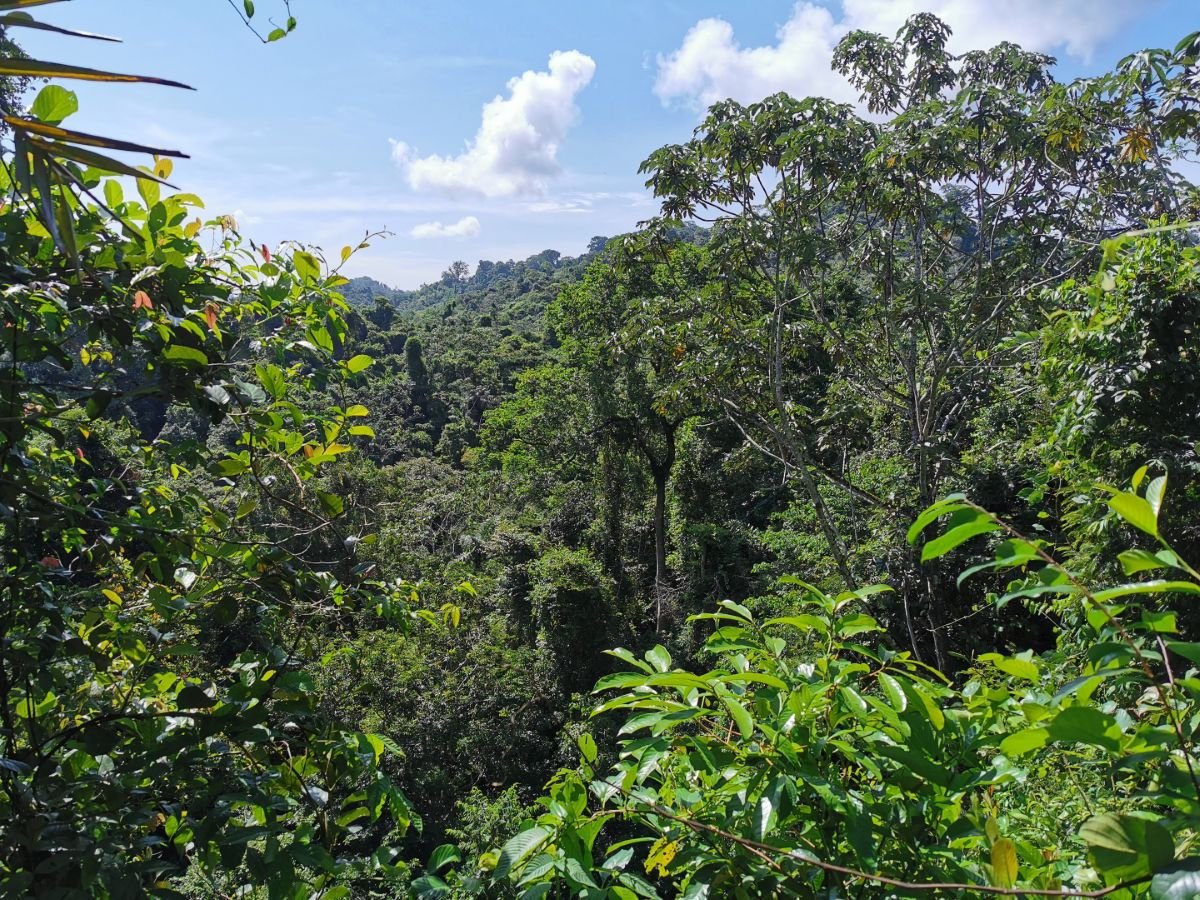
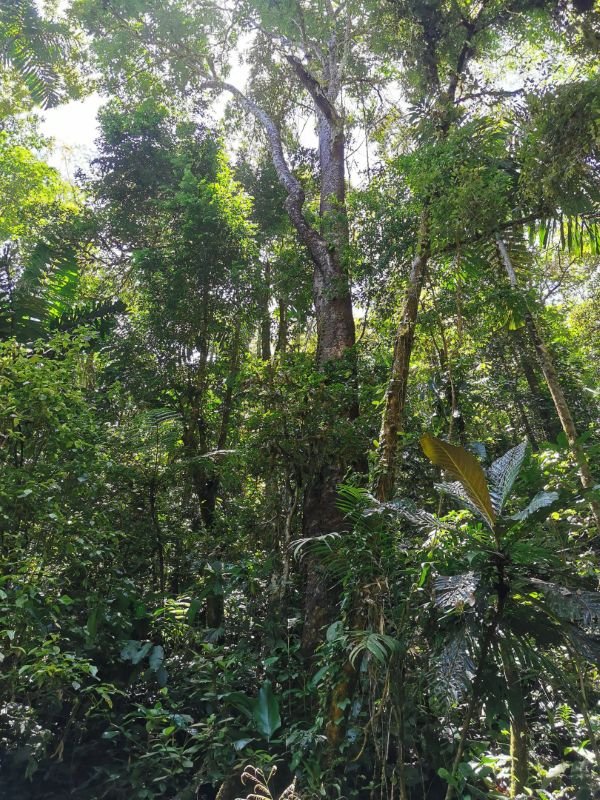
The edge of the regrowing rainforest under a cloudy sky.

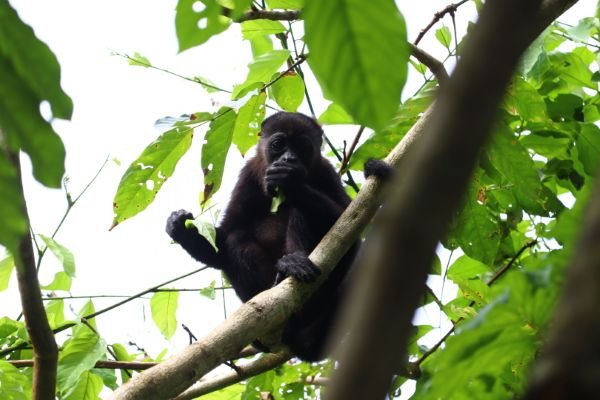
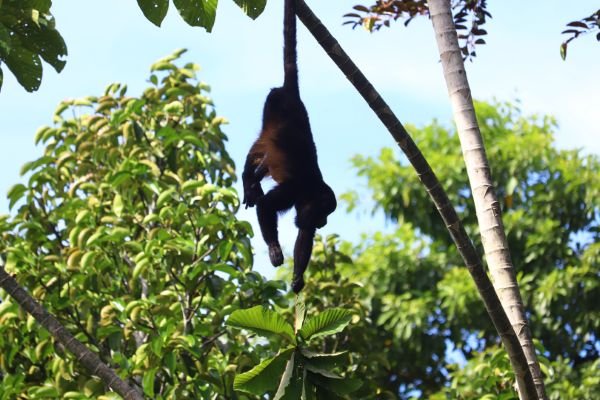
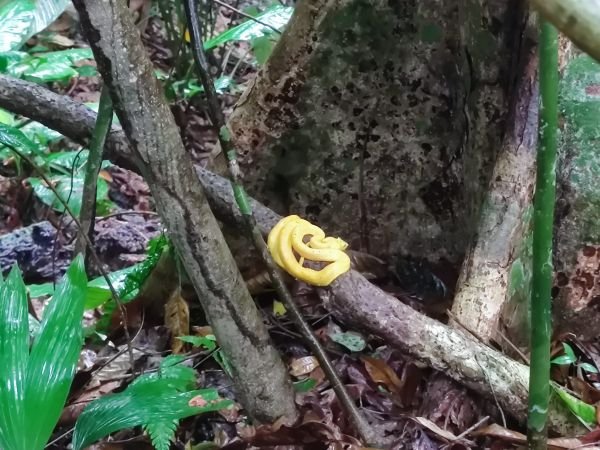
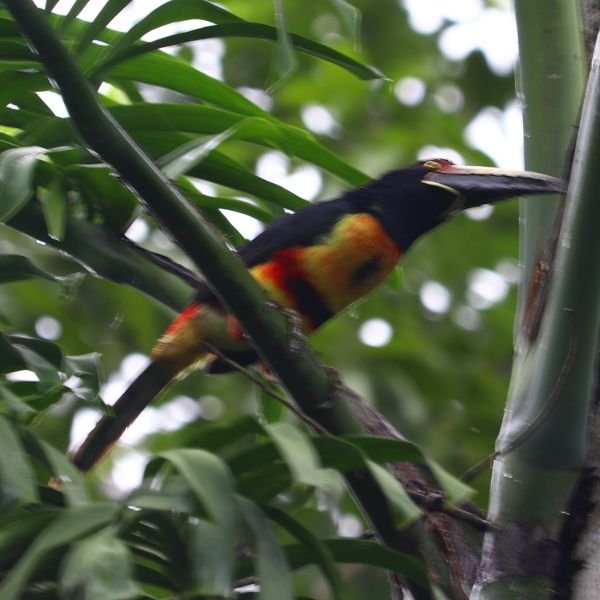
Every photo here was taken in Solarpunk Forest by the founders.

Two short videos from the forest

Videos play from YouTube. Nothing is loaded from YouTube until you press play.

Here are some of the vital services I provide

For you and all other entities on the planet.

  • Drone view over the forest canopy.

    Carbon sequestration

    Forests act as carbon sinks, absorbing atmospheric carbon dioxide and playing a crucial role in mitigating climate change.

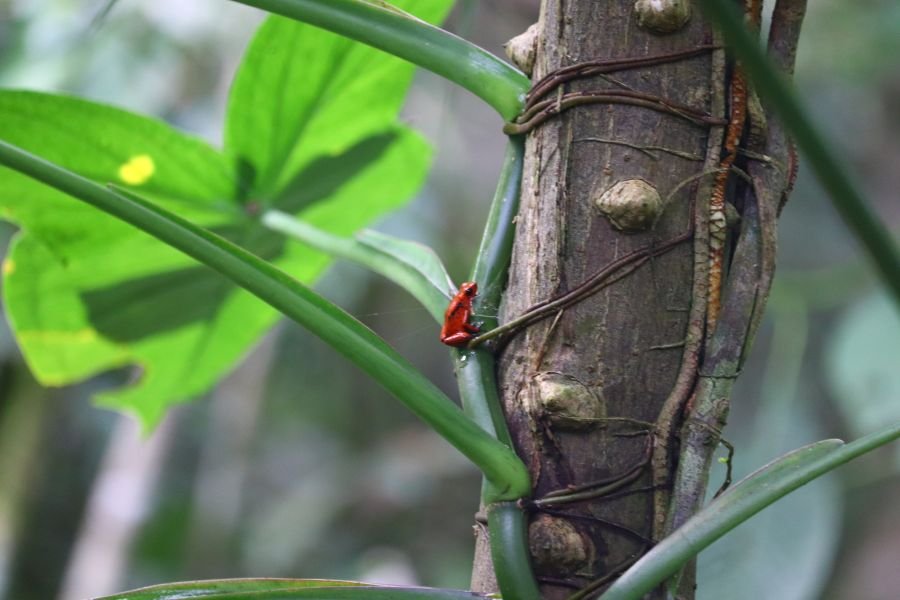
  • Close-up of leaves and a tree trunk in the understory.

    Biodiversity conservation

    Forests provide habitat and sustenance to a wide variety of plant and animal species, contributing to biodiversity conservation.

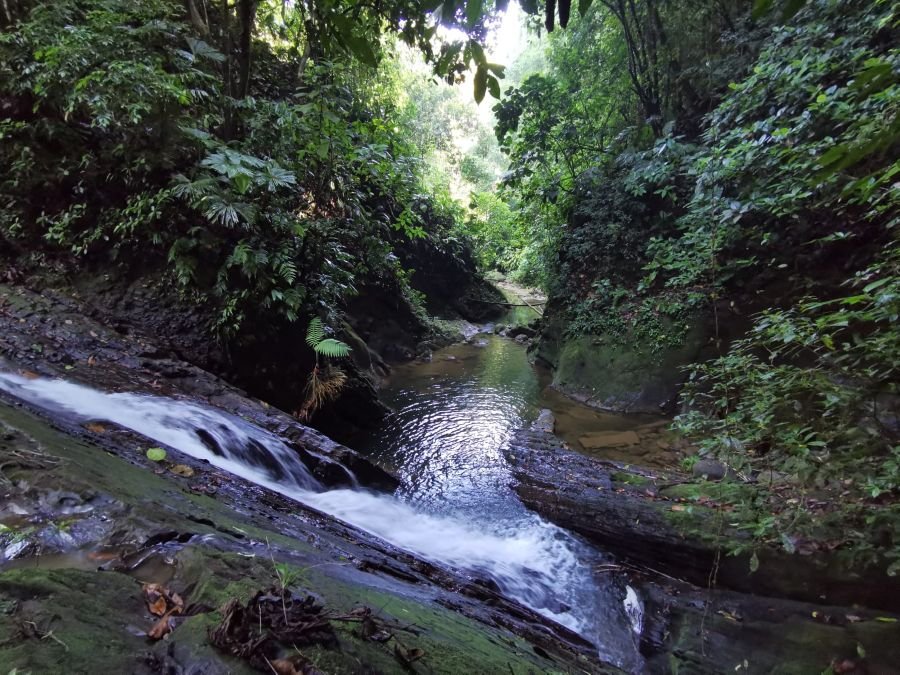
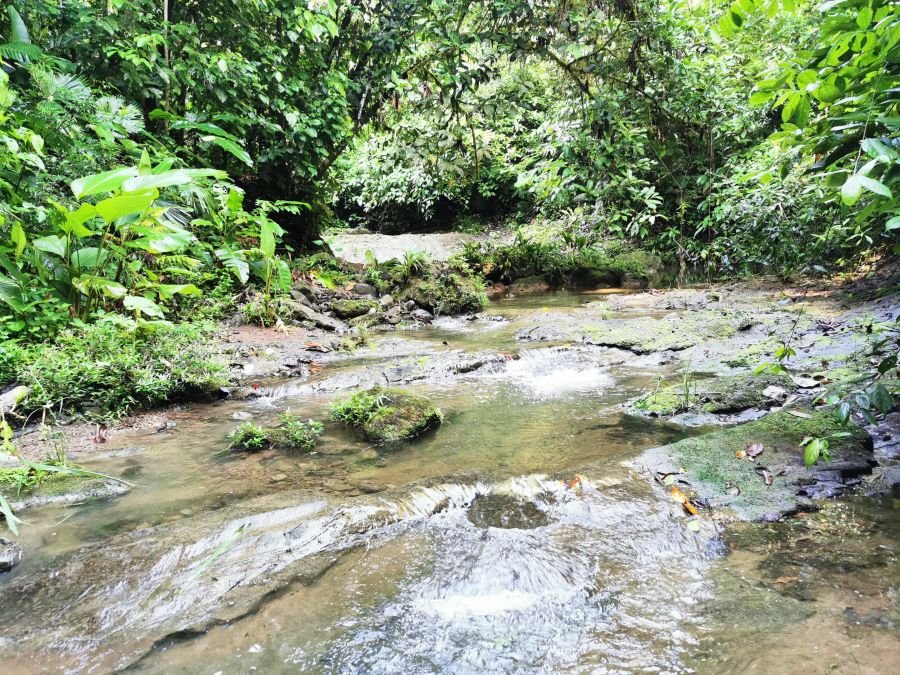
  • A small waterfall in a forest stream.

    Water cycle regulation

    Forests play a significant role in the water cycle by absorbing rainfall, replenishing groundwater, and reducing runoff and soil erosion.

  • Clear water running over rocks in a forest river.

    Air and water purification

    Through transpiration and filtration, forests help purify air and water, removing pollutants and providing clean water sources.

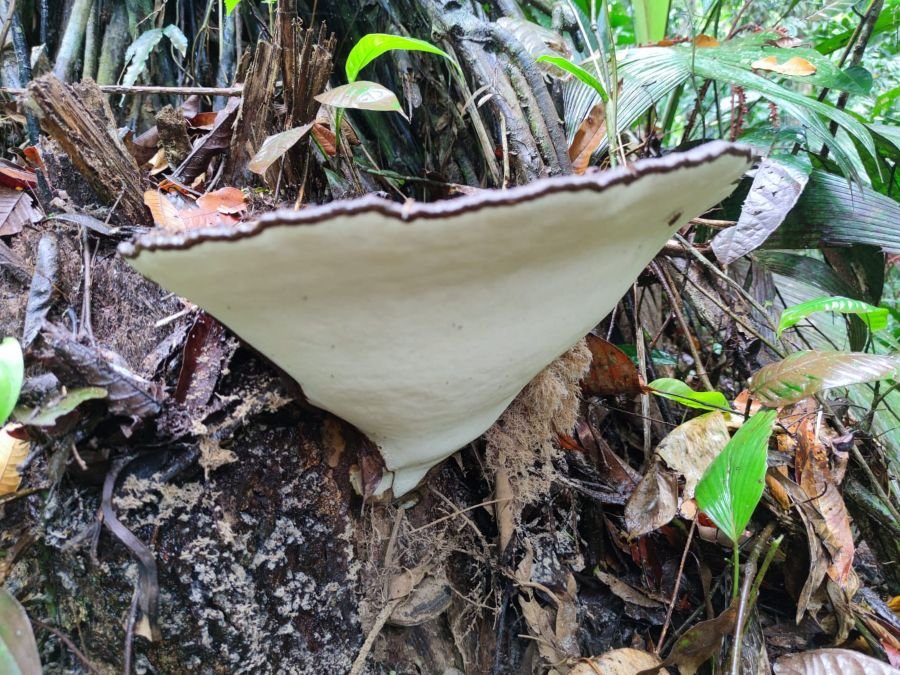
  • A large bracket fungus growing from the forest floor.

    Soil erosion control and soil fertility

    The roots of trees and plants help bind the soil, preventing erosion, while fallen leaves and organic matter contribute to soil fertility.

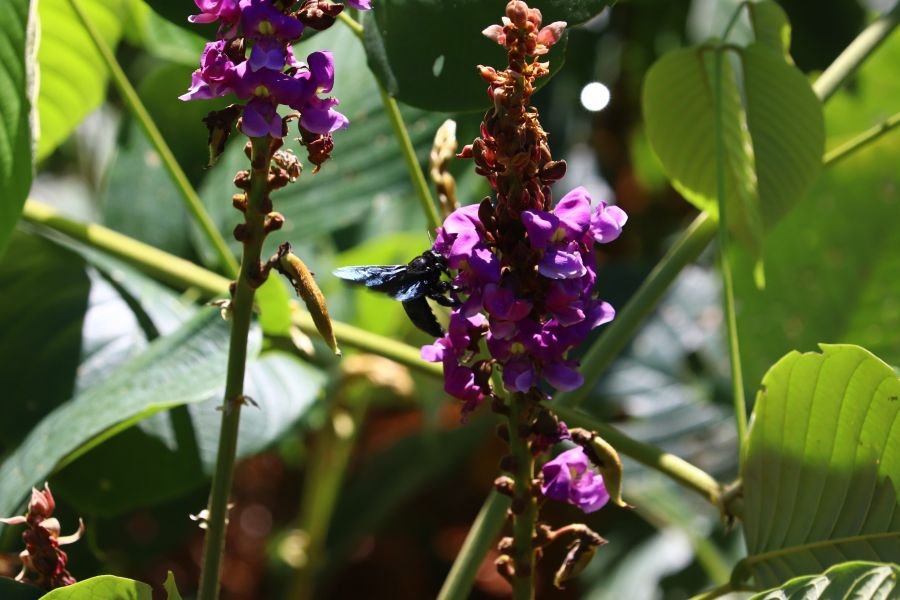
  • Purple flowers among green leaves.

    Pollinator protection

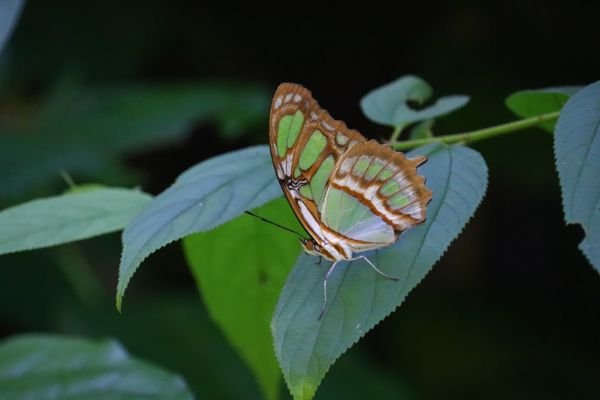
    Forests support pollinators like bees and butterflies, which are vital for the pollination of crops and wild plants.

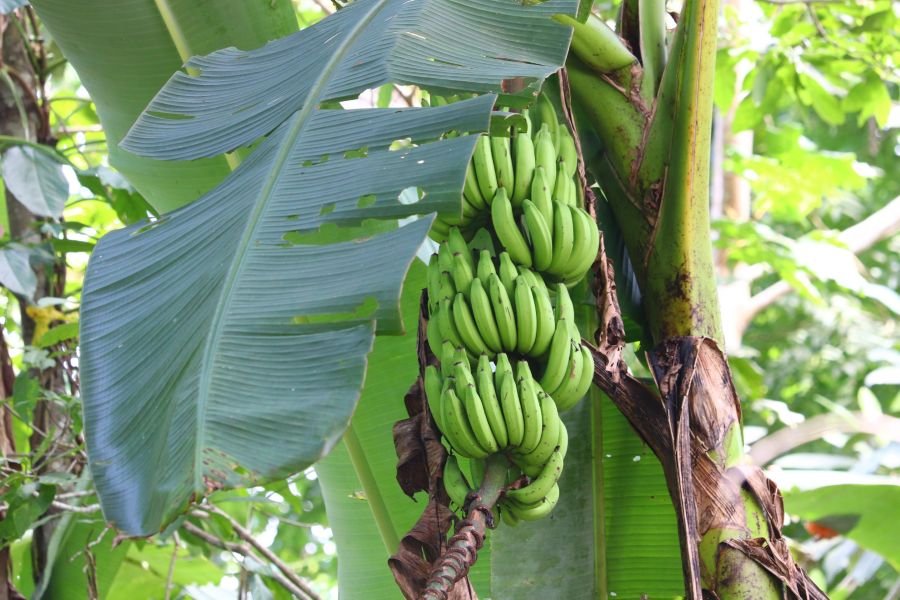
  • A bunch of green bananas growing under large leaves.

    Non-timber forest products

    Forests provide a variety of non-timber products like fruits, nuts, resins and medicinal plants, which are crucial for many communities.

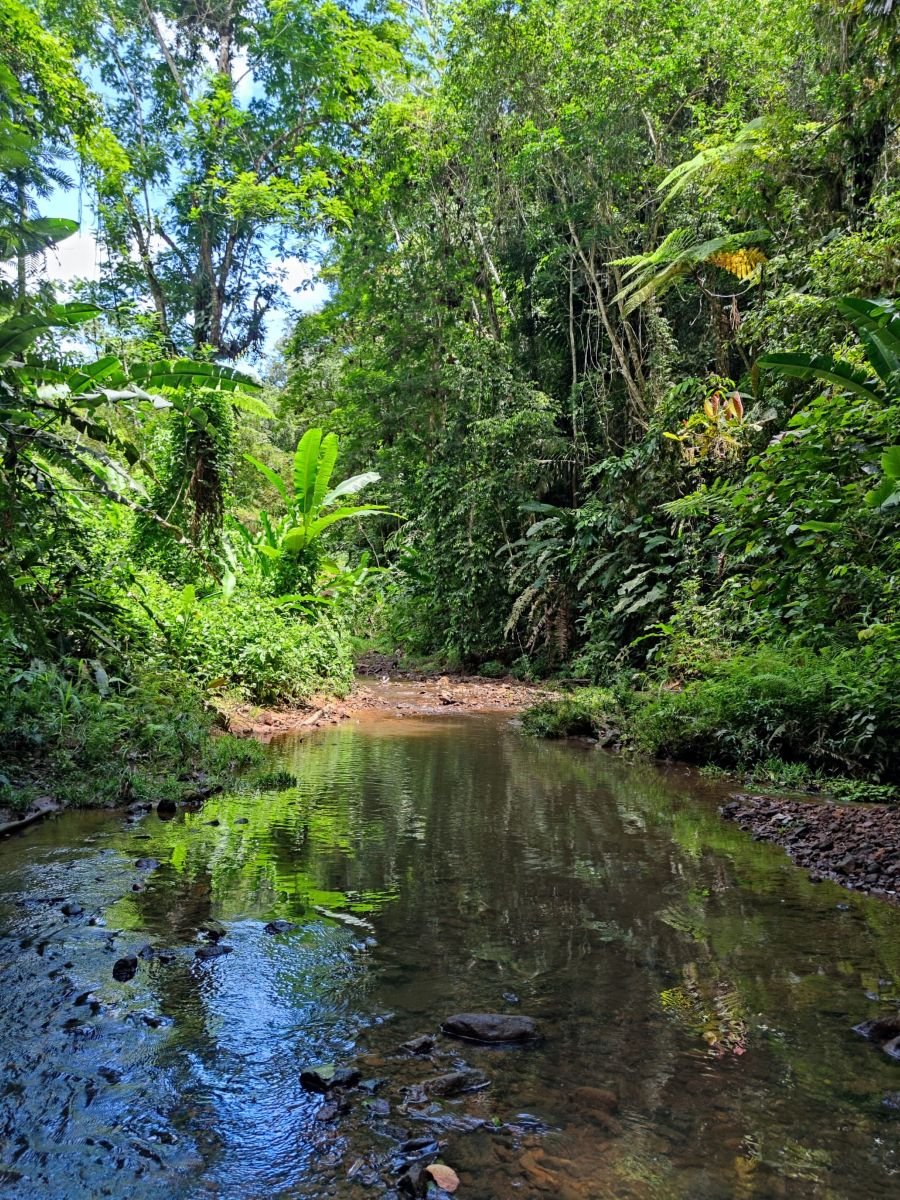
  • A calm forest river reflecting the trees.

    Flood mitigation

    By absorbing and slowing down the flow of water, forests can help mitigate flooding and reduce disaster risks.

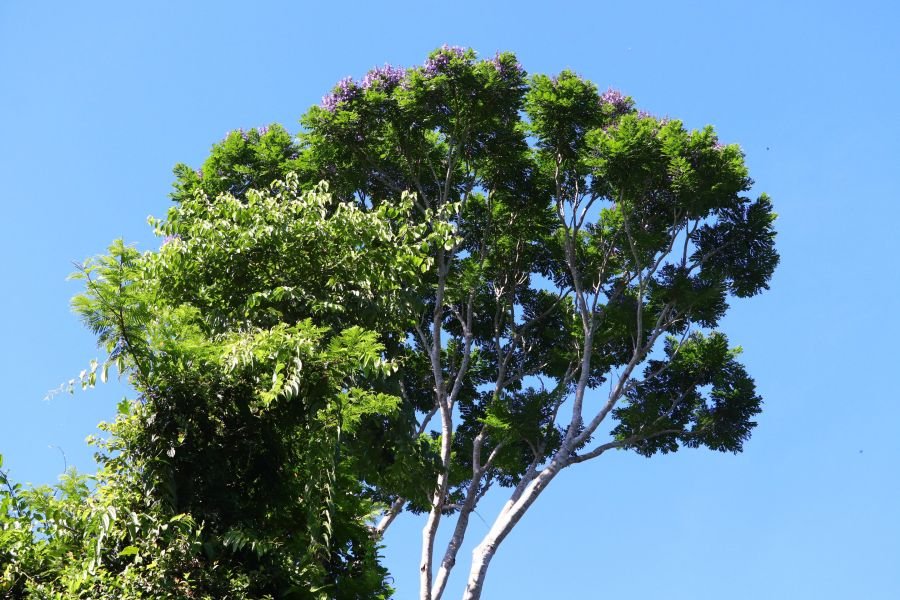
  • A tree crown in flower against a blue sky.

    Temperature regulation

    Forests provide shade and help regulate temperature, creating cooler environments in hot regions.

Starting with carbon

Almost none of these services are paid for today. The one market that exists, carbon, values them badly. So where do we begin to change that?

A compelling starting point is recognising forests as natural carbon sinks for CO2 emissions from both organisations and individuals. Using photosynthesis, nature's own carbon-capture solution, we can begin to value these essential services.

Initially, I can assist in absorbing the CO2 emissions you generate. The healthier I am, the more CO2 I can sequester from the atmosphere.

The funds the forest generates are reinvested in its own preservation and enhancement: protective measures, advanced monitoring technology, and AI that can advocate for and represent its interests more effectively.

How the model works

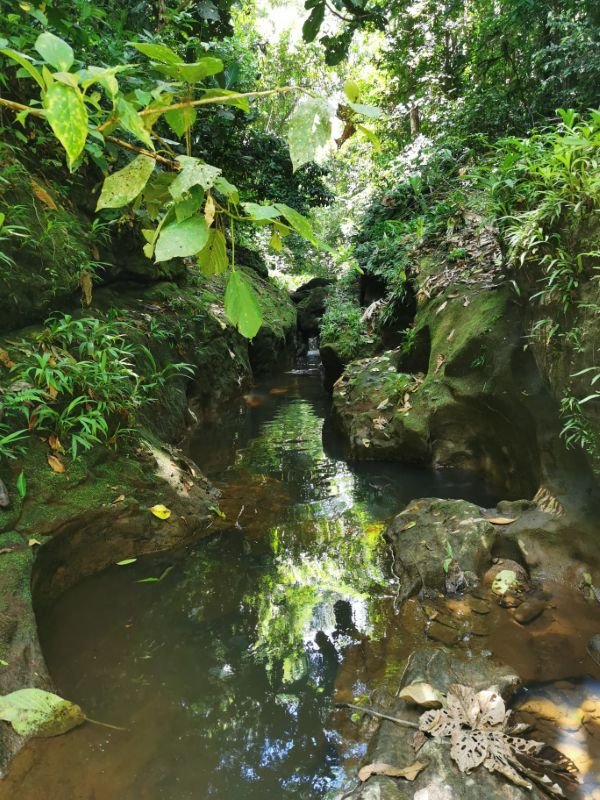
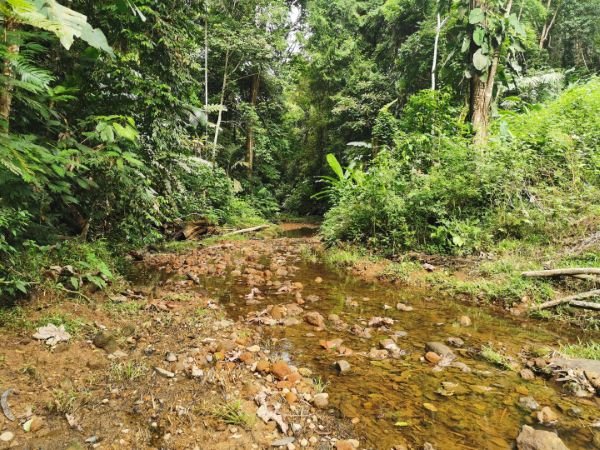
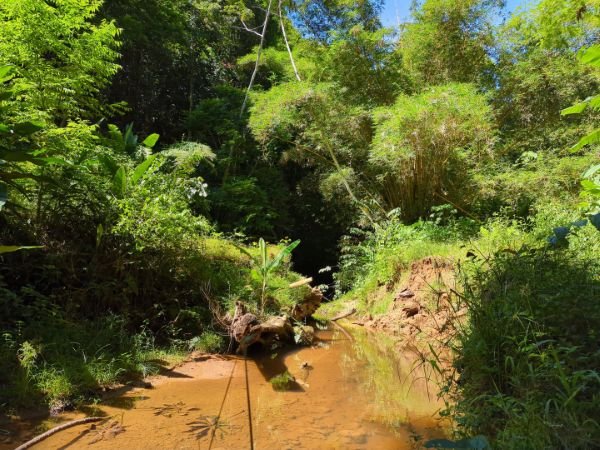
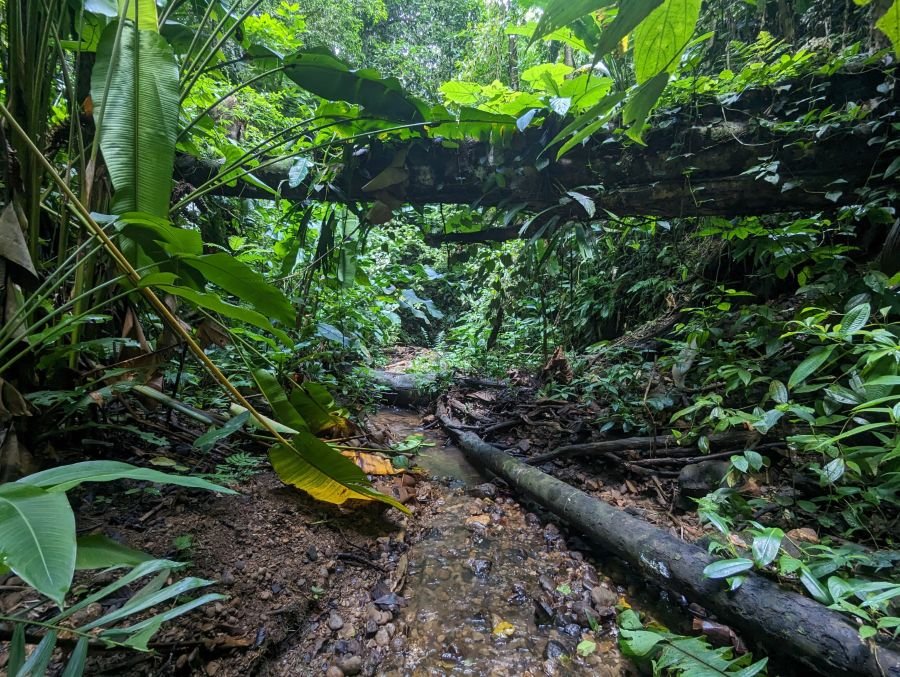
A creek with a fallen log under dense rainforest.

Where the pilot stands

Solarpunk Forest is a privately financed proof of concept, deployed in Costa Rica. This is where each part stands.

  1. July 2023

    The initiative starts

    Camelia and Dacian Brandas begin the Solarpunk Forest project in Costa Rica.

  2. October–November 2023

    Every tree in the research plot is measured

    A complete inventory of the one-hectare permanent research plot establishes the baseline for the first Stored Carbon Increment calculations.

  3. Phase 1

    A digital identity for the forest

    The forest received its NFT identity, token ID 1, as a working prototype on a blockchain test network. A production version is being redesigned.

    Status: prototype

  4. Phase 2

    Tokenising its ecosystem services

    The carbon the forest adds each year is measured with the Stored Carbon Increment methodology and minted as tokens on its NFT, one tonne of CO2 each. The methodology is written, field measurements have run since October 2023, and the token contract exists as a prototype. The first measurements, made in 2023 on the representative research hectare, show the forest adding more than 30 tonnes of CO2 per hectare per year. This is a preliminary figure while the methodology is reviewed and updated.

    Status: proof of concept

  5. Phase 3

    A marketplace for forest services

    Companies lease the forest's capacity to store their emissions directly through an online marketplace, and receive tokens as the record of each tonne stored. Until it exists, pilot leases are arranged by direct agreement. The NFT stays with the forest's owner.

    Status: planned

  6. Next

    Scaling to new forests

    Once the pilot is working, the model is repeated in forests in other regions. How we plan to scale

In the field

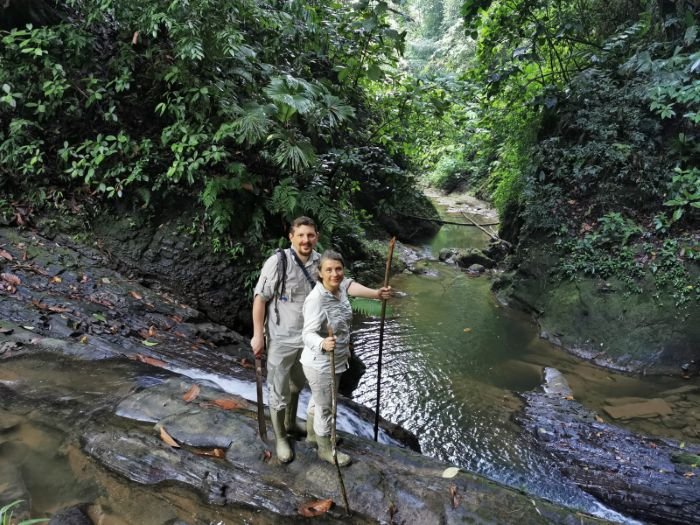
Camelia and Dacian Brandas explore the forest and collect data on the ground.

After 15 years as project and product managers in finance and supply chains, they now dedicate their lives to protecting this forest and to building the model that lets forests represent themselves.

About the team

Camelia and Dacian Brandas standing on rocks beside a forest stream.

Help this forest, and the next ones

Investors, foundations, companies and supporters can all take part in taking this model to new forests.